How road salt impacts your paint and how PPF stops it in Central New York is something every Syracuse, NY driver should understand. Road salt keeps winter roads safer, but it is one of the most aggressive enemies your vehicle’s paint will ever face. Salt does not just make your car dirty. It accelerates paint damage, worsens rock chips, and speeds up long-term corrosion when left unchecked.
If you drive year-round in Central New York, this guide explains what road salt actually does to your paint, why winter damage shows up so fast, and how paint protection film helps stop it before the damage spreads.
New York State relies heavily on road salt and salt brine to improve winter driving safety. According to the U.S. Environmental Protection Agency and New York State agencies, millions of tons of salt are applied each winter to keep roads passable. That salt dissolves in snow and ice, creating a slurry that spreads across lanes, shoulders, and vehicles.
For drivers, that means:
While salt improves traction, it also creates the perfect environment for paint damage.
Road salt damages paint in more ways than most drivers realize.
Salt is hygroscopic, meaning it pulls moisture from the air. When salt sticks to your vehicle, it keeps surfaces damp longer. Moisture trapped against paint and seams increases the risk of corrosion.
Small chips or scratches may seem minor in summer. In winter, salt-laced moisture can work into those openings, spreading damage under the clear coat and exposing metal faster.
Salt residue can interfere with clear coat over time, especially when combined with repeated freeze-thaw cycles. This is one reason paint can look dull or etched after winter.
According to the EPA, road salt runoff and residue are persistent and difficult to remove completely once applied, which is why frequent exposure matters.
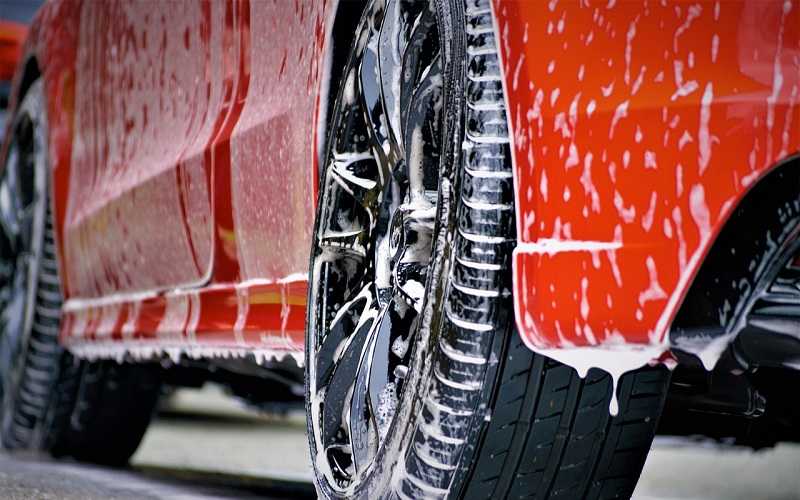
Winter driving multiplies paint damage for three main reasons.
Sand, grit, and crushed stone are commonly mixed with salt. These materials strike your vehicle at speed, chipping paint and scuffing lower panels.
Drivers wash more often to remove salt. Improper washing, especially on heavily soiled paint, causes swirl marks and micro-scratches.
Moisture freezes, expands, and then melts. That cycle pushes contaminants deeper into seams, chips, and edges.
This combination explains why many Syracuse drivers notice a jump in paint damage after just one winter.
Salt damage is not evenly distributed across your vehicle.
High-risk areas include:
These areas take direct hits from salt spray and debris thrown by tires and plows.
Washing is important, but it has limits.
Problems with relying on washing alone:
Industry groups like the International Carwash Association note that improper washing techniques contribute significantly to paint damage. Washing helps manage salt, but it does not prevent impact-related damage.
This is where physical protection becomes important.
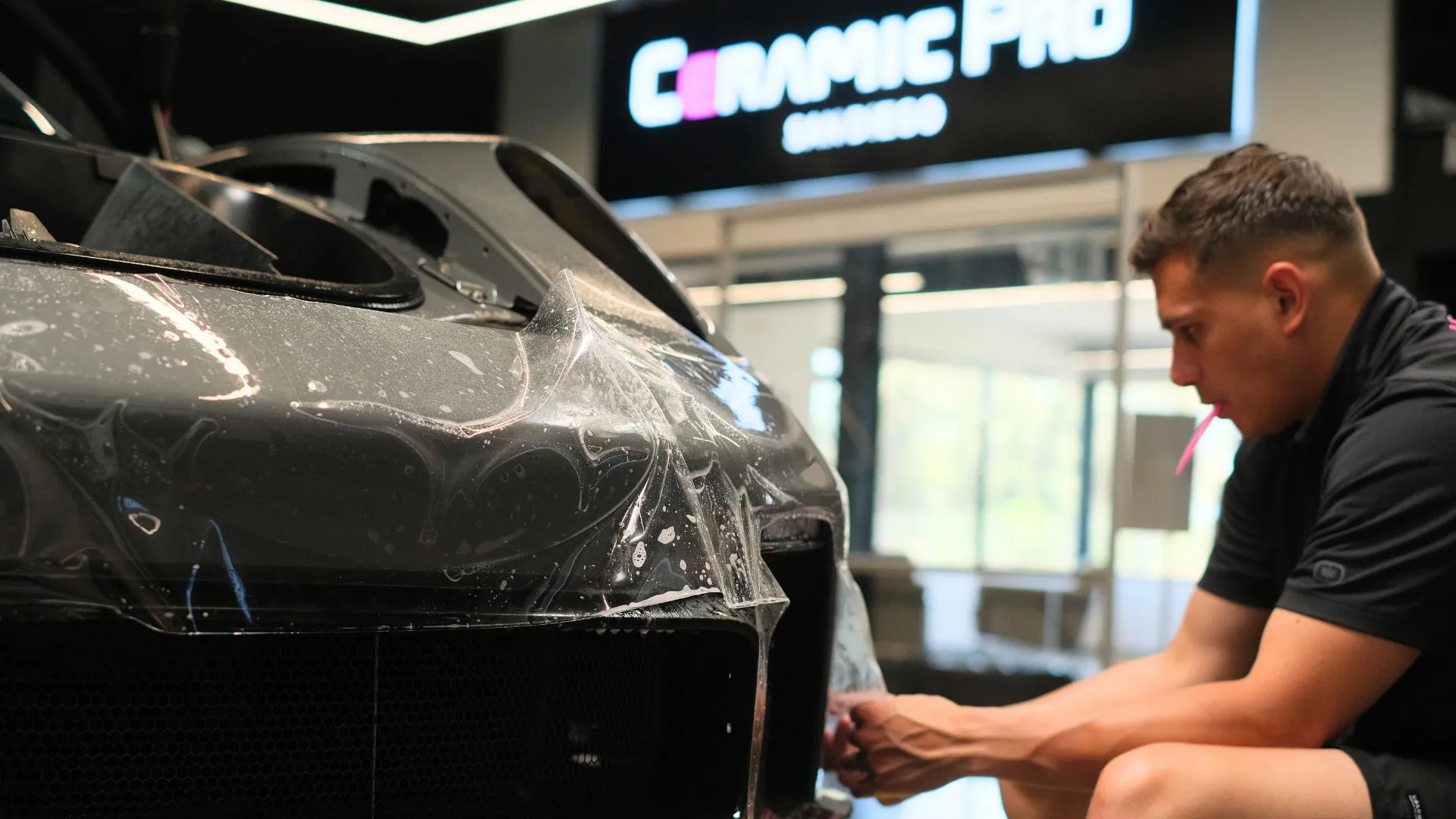
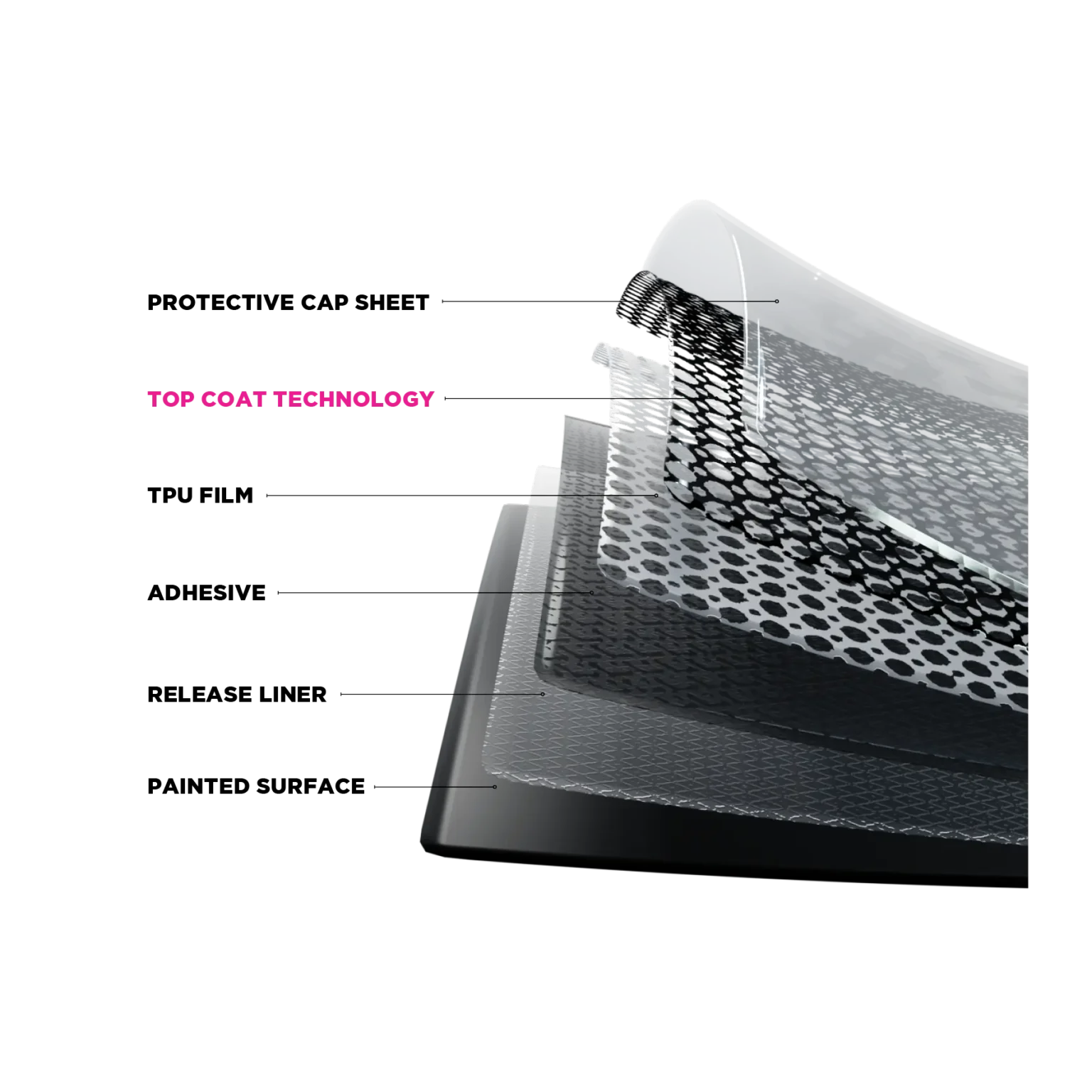
Paint protection film, or PPF, is a thick, clear urethane film applied to painted surfaces. It is designed to absorb impact and abrasion before it reaches the paint.
PPF helps protect against:
Unlike wax or ceramic coating, PPF is a physical barrier. That distinction matters in winter conditions.
Learn more:
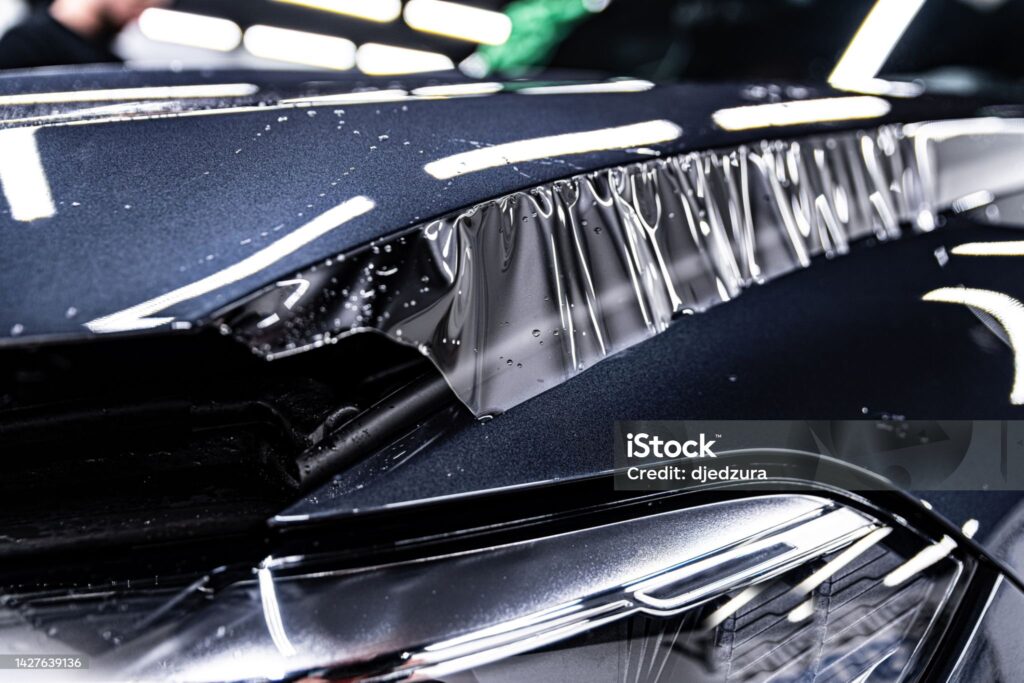
PPF addresses salt damage in multiple ways.
When salt, sand, or grit hits the film, the film takes the hit instead of the paint. This helps prevent chips that allow salt to reach bare metal.
PPF covers vulnerable edges and high-impact zones, reducing the number of entry points where salt-laced moisture can reach the paint.
Repeated winter spray acts like fine sandpaper. PPF resists this abrasion far better than clear coat alone.
Salt residue releases more easily from film than from bare paint, reducing aggressive scrubbing during washes.
Both PPF and ceramic coating help, but they do different jobs.
Learn more:
For Central New York, many drivers combine both:
For an integrated solution, explore:
If winter driving is part of your routine, these coverage options make sense.
Coverage can be scaled based on how and where you drive.
PPF helps, but good habits still play a role.
Helpful winter tips:
Protection works best when paired with smart care.
If you want help building a plan, start with:
Ceramic Pro Syracuse serves drivers throughout Central New York.
Common service areas include:
Drivers from surrounding regions also travel in for winter-ready paint protection.
Ceramic Pro Syracuse is Ceramic Pro certified, a Ceramic Pro vendor, and a Ceramic Pro Elite Dealer. We install paint protection film with Central New York driving in mind, focusing on coverage that actually stops winter damage.
Learn more:
If you want to stop road salt from damaging your paint in Central New York, paint protection film is one of the most effective tools available.
Call (315) 552-4441 or visit https://ceramicprosyracuse.com/contact-us/ to schedule. You can also start with a consultation to plan coverage before winter damage sets in.
Yes. Repeated exposure to salt and moisture can worsen chips, scratches, and corrosion, especially during freeze-thaw cycles.
Washing helps reduce buildup, but it does not prevent rock chips or abrasion. Physical protection is still needed.
Many Central New York drivers choose PPF because winter roads create the most paint damage of the year.
Yes. Many owners install PPF early to prevent damage before it starts.
No. Ceramic coating helps with cleaning, while PPF protects against impact damage.
Front bumper, hood leading edge, mirrors, and rocker panels usually take the most winter abuse.
Call (315) 552-4441 or book through https://ceramicprosyracuse.com/contact-us/.
Contact Us when you are ready to talk about paint protection film, ceramic coating, window tint, vinyl wrap, detailing, or paint correction. We keep the first conversation quick so you can get answers without a long back and forth. Tell us what you want to change on the vehicle and what you want it to stay protected from. If you already know the service you want, we will move right into timing and next steps. If you are not sure, we will help narrow it down based on how the vehicle is used each week. Contact Us through our online form when you want to request an appointment any time of day. You can also call so we can talk through the plan in real time. Either way, you will get a clear path to the next step.
Explore the many services we offer by clicking the boxes below